|
|
 |
 |
 |
 |
 |
 |
 |
 |
 |
 |
 |
 |
 |
 |
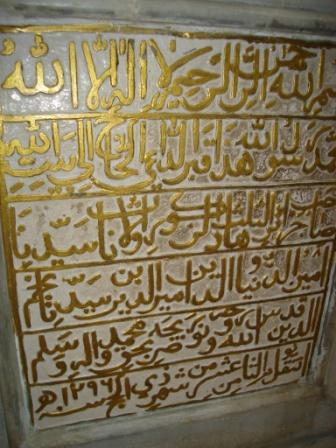
Saiyedna Ameenuddin Ameeruddin bin S. Najmuddin (QR) |
||||||||
Jannat ul-Mumineen , Vadodara |
||||||||
Tareekh-e-Intiqaal: 18 Zul Hijjah 1296 AH |
||||||||
|
||||||||
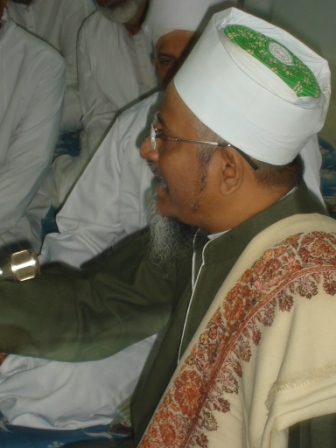
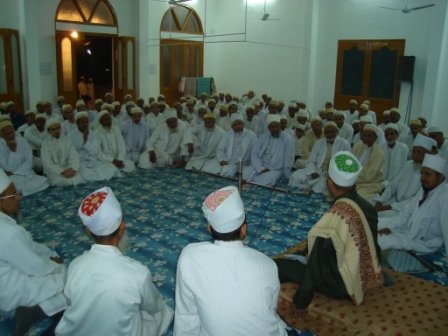
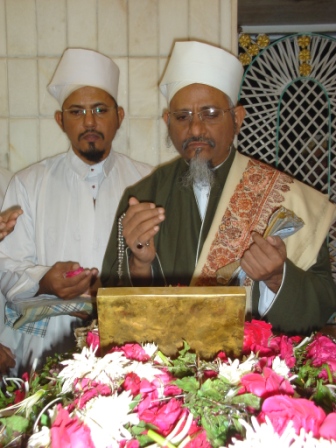
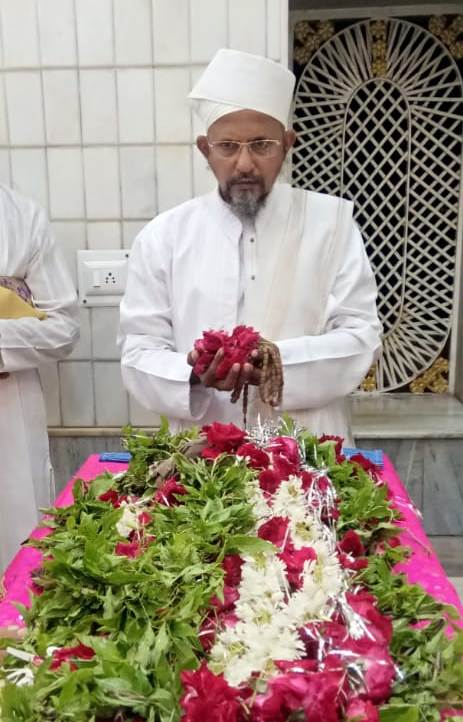
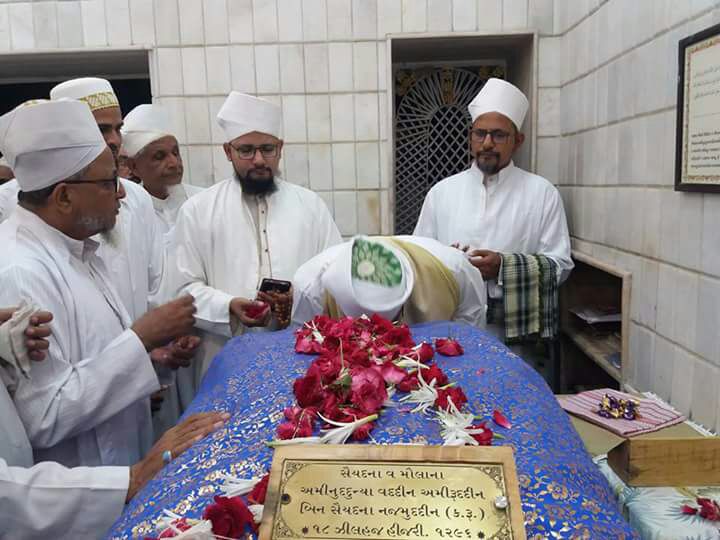
An interior view of Mazaar-e-Ameeni where Saiyedi Mazoon ud-Da'wat can be seen reciting Faatehah Mubaarakah of Muqaddas Maula |
||||||||
| 1441: | ||||||||
|
||||||||
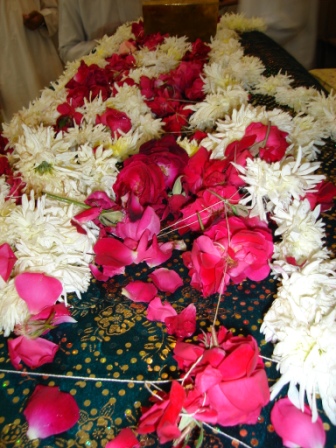
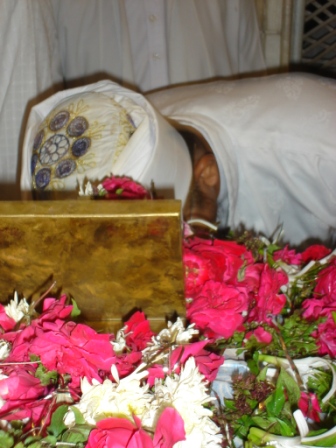
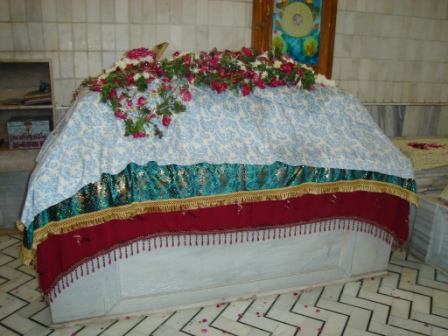
Muqaddas Maulaa is known by the name “Ameeruddin” and by the title “Ameenuddin”. Both of these words differ only by 'R' and 'N'. “Ameen” means trustworthy (faithful) and “Ameer” means Master, Head, Chief. Clearly, Maulaa is a Faithful Master and the Trustworthy Chief of the Faithfuls, "Ameer ul Mumineen" and "Ameer ul Amaanat". The mumineen (believers) bow down devotedly and sincerely on his holy grave whenever they visit Maulaa's Rawzah and ask for their Haajaat and Needs. His Rozah Mubarakah is located in the centre of Jannat ul Mumineen, Qabrastaan. It symbolizes that the centrality and leadership of the paak graves of our Qabrastaan is carried out by himself. He is the centre of the Shafaa'at and Najaat of mumineen. Muqaddas Maulaa Saiyedna Ameeruddin saheb AQ had one daughter – Qaiyambu and two sons – Saiyedna Fakhruddin saheb AQ and Bhaisaheb Hasanbhai. Qaiyambu was known by the nameFaiji saheba among the Jamaa'at mumineen and she was revered greatly by her Zohd-o-Amal and Ilm-o-Fazl (piety and gracefulness). By the guidance and efforts of Saiyedna Ameeruddin saheb's wife Maa saheba Keebu binte Shamshuddin and his beloved daughter Qaiyambu different ladies oriented skills like artistry, stitching, clothing, cooking, embroidery, mannerism, etiquette, home-making etc. were taught with great zeal to the women of our community. Maa saheba also gave teachings regarding proper dressing-outfit and maintaining proper decency and modesty, personal hygiene to the muminaat. She spearheaded the cause of the second marriage of a widow and abolished the custom of Child marriage. She was the one who began Majis e Maulaana Imaam Husain AS exclusively for ladies in Ziyaai Masjid during Moharram ul Haraam. The Qabr Mubarak of Faiji Qaiyambu is in the outer left part of the Rozah Mubarakah of her father Saiyedna Ameeruddin saheb AQ. Qaiyambu was older than Saiyedna Fakhruddin saheb AQ, hence her presence, power and prestige was witnessed in the household affairs and in the Madrasah. She herself taught a special class of young girls and prepared them for the age of puberty and helped in developing domestic skills. Saiyedna Fakhruddin saheb AQ was brought up under her loving care and she taught him Fann-e-Shaa'eri (The Art of Versification). The rules and regulations of Da'wat e Sharifah were taught to Saiyedna Fakhruddin saheb AQ by his father in the best manner. By the untiring efforts of Muqaddas Maulaa Saiyedna Fakhruddin saheb AQ memorized Qur'an e Haqq at a very young age. In the year 1294 AH Maulaa, along with his son Jivabhai (Saiyedna Fakhruddin saheb AQ), wrote two wonderful books – “Simat ul Haqaa'iq“ and “Kitab ul Azhaar“. Muqaddas Maulaa Saiyedna saheb AQ passed away at the age of 50 years in 1296 AH. At that time Saiyedna Fakhruddin saheb AQ was 26 years old. He had trained his son so well in Urdu, Arabic and Persian languages that big Shi'a- Sunni scholars always desired to meet him. Religious meetings and healthy discussions were held between scholars of different sects. Saiyedna saheb AQ participated in it enthusiastically and open-mindedly. During this time a Shi'a scholar Hakeem saheb was too fond of him and had very good relations with him. Muqaddas Maulaa Saiyedna saheb AQ along with his son were first to start the Majlis of Maulaana Imaam Husain (as). The pious elders and generous people were given a special place-Maqaam in the mehfil of this Moharram'smajlis. The same Ameeri tradition is carried out till today. In that era, there were lots of economic problems and trade constraints. Mumineen didn't had enough money to do business or opportunities for that was too limited. Saiyedna saheb AQ had a shop in Mandvi area. He used to weave turbans for Marathas. The art of weaving golden thread on the turbans of Gaekwads was exclusively done by our mumineen. This skill was taught by Saiyedna Amiruddin saheb AQ to mumineen so that they can earn their livelihood and become economically strong and independent. The surnames "Paghdiwala" and "Zariwala" originated from the profession of turban-making. |
||||||||
 |
||||||||
| 1438: | ||||||||
|
||||||||
|
||||||||
|
||||||||
| 1433: | ||||||||
|
||||||||
|
||||||||
| 1432: | ||||||||
|
||||||||
| Listen to the Bayaan of Behr-e-'aam of Saiyedna Ameenuddin Saheb (aq) | ||||||||
|
||||||||
| 1431: Photo Album of Urs Mubaarak | ||||||||
1428: Bayaan
|
||||||||
Photos:
|
||||||||
|
||||||||
Copyright
© 2020 Alavibohra.org. All rights reserved. |
||||||||
.jpg)
.jpg)
.jpg)
.jpg)
.jpg)
.jpg)

.jpg)
.jpg)
.jpg)
.jpg)
.jpg)